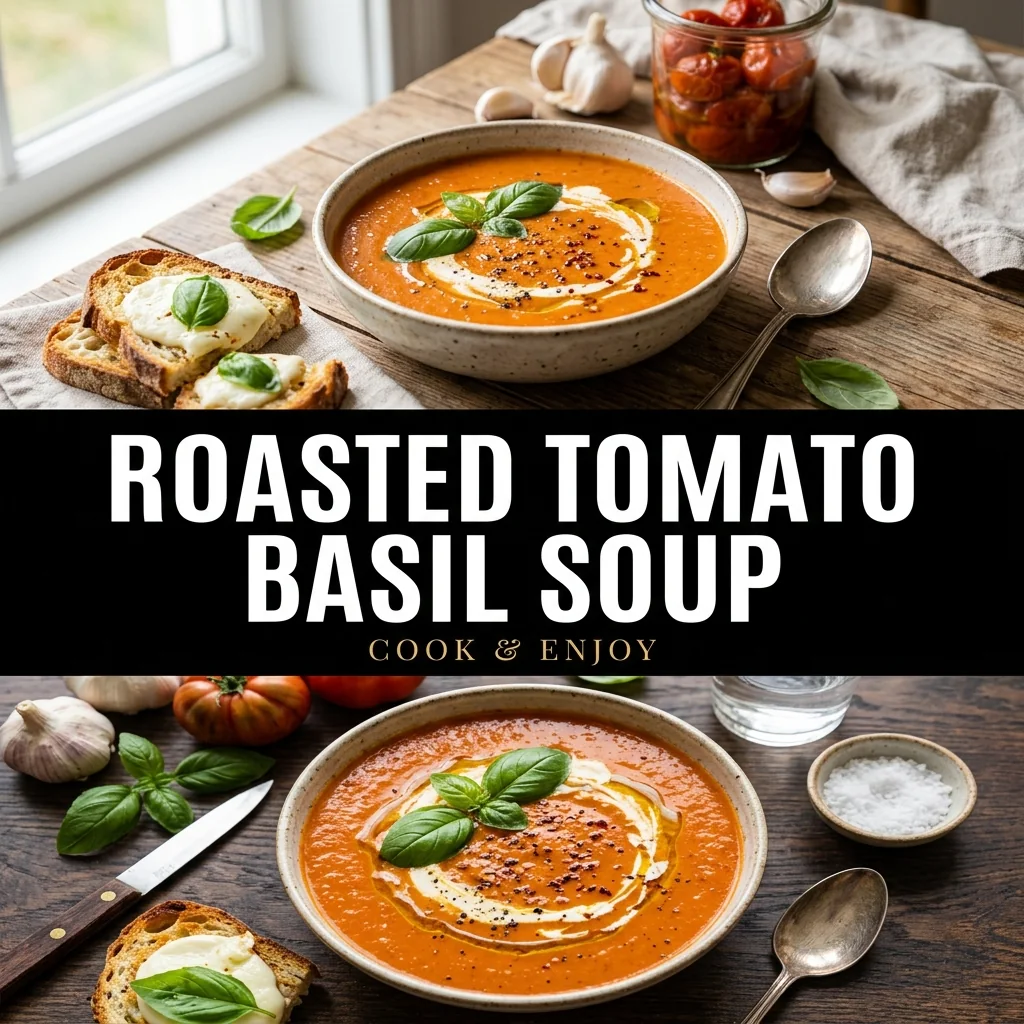
WHY MAKE IT
A little comfort, a lot of flavor.
Ginger carrot coconut soup pairs the natural earthiness and sweetness of slow-cooked roots with the brisk, aromatic bite of fresh ginger. Coconut milk lends a creamy foundation that rounds out the pungent rhizome while grounding warming spices like coriander and vibrant yellow turmeric. This soup strikes an appealing balance between comfort and brightness, avoiding heavy starches in favor of pure vegetable volume. Fresh lime juice stirred in at the very conclusion supplies gentle acid to awaken the dense root flavors. Simple to prepare on a busy weeknight yet sophisticated enough for entertaining, this brightly colored dish delivers warmth, wholesome aromatics, and deep satisfaction across every spoonful.
Maximizing Fresh Ginger Flavor
The pungency of ginger depends heavily on how it is prepared and cooked. Mincing or finely grating fresh ginger on a rasp releases essential oils that permeate the cooking fat during the sweating stage. Sautéing ginger briefly with onions and dried spices softens its raw sulfurous edge into a warm, rounded heat. Be mindful not to let ginger brown or burn in the pot, as scorched ginger imparts a bitter aftertaste that persists through blending. Adding a tiny pinch of freshly grated ginger at the very end can also reinforce top-note brightness.
Balancing Sweet and Tart Elements
Carrots contain high levels of natural sucrose that intensify as they cook down and soften. While coconut milk adds richness, it also brings subtle sweetness, which risks making the soup taste flat if left unchecked. Introducing fresh lime juice right before serving cuts through the richness and lifts the profile. If your carrots are unusually sweet, increase the lime juice by an extra teaspoon, or stir in a splash of rice vinegar. Always season with sufficient salt, as sodium helps accentuate earthy nuances while suppressing cloying sweetness.
Texture and Consistency Control
Carrots possess sturdy cellular walls that require thorough cooking before they will yield a velvety soup. Test the thickest slice with a fork; if there is any firmness in the center, continue simmering for another five minutes. When pureeing, allow sufficient blending time to fully break down fibrous shreds into a homogenous cream. If the puree appears overly thick like baby food, incorporate warm vegetable broth in three-tablespoon splashes until it reaches a graceful pouring consistency that coats the back of a spoon.
Before you start
Fresh ginger is the focal point of this recipe, so avoid substituting ground ginger powder. To peel fresh ginger cleanly without wasting flesh, scrape the papery skin away using the edge of a standard teaspoon. If you prefer a milder ginger presence, reduce the quantity to two tablespoons; for sharp heat, keep all three tablespoons and grate the ginger finely on a microplane to release maximum juice.
THE RECIPE
Ginger Carrot Coconut Soup
4 servings · 15 minutes preparation · 35 minutes cooking · 10 minutes cooling, chilling or resting
Ingredients
Step-by-step instructions
- Melt the virgin coconut oil in a 4-quart heavy soup pot or Dutch oven over medium heat until shimmering, coating the bottom evenly.
- Add the diced onion and kosher salt. Cook for 5 to 6 minutes, stirring frequently, until the onion softens, turns translucent, and begins to smell sweet without taking on dark brown color.
- Add the sliced carrots, minced ginger, garlic, ground coriander, ground turmeric, and red pepper flakes. Cook for 3 minutes, stirring constantly to toast the spices and coat the carrots thoroughly in the fragrant oil.
- Pour in the vegetable broth, scraping any spices from the bottom of the pot. Bring the liquid to a rolling boil over medium-high heat.
- Reduce the heat to low, cover the pot with a tight-fitting lid, and simmer for 20 to 25 minutes, until the carrot slices pierce effortlessly with the tip of a paring knife.
- Remove the pot from the heat and let it rest uncovered for 10 minutes to bring down the steam temperature before blending.
- Puree the soup until completely velvety using an immersion blender, or transfer carefully in divided batches into a countertop blender with the center vent open and covered by a folded towel.
- Stir in the coconut milk and fresh lime juice. Return to low heat for 2 minutes to warm through without boiling, taste for seasoning, and serve garnished with chopped fresh cilantro.
Kitchen notes
Fresh ginger is the focal point of this recipe, so avoid substituting ground ginger powder. To peel fresh ginger cleanly without wasting flesh, scrape the papery skin away using the edge of a standard teaspoon. If you prefer a milder ginger presence, reduce the quantity to two tablespoons; for sharp heat, keep all three tablespoons and grate the ginger finely on a microplane to release maximum juice.
Storage & make-ahead
Transfer leftover soup into shallow, airtight storage containers and place in the refrigerator within 2 hours of preparation. The soup will keep safely refrigerated for up to 4 days, or frozen for up to 2 months. Reheat thoroughly on the stovetop over medium heat, stirring occasionally, until steaming and registered at 165°F (74°C) on an instant-read thermometer. Whisk gently if the coconut milk separates.
An original recipe guide inspired by themes in our Pinterest research. Recipe has not been independently kitchen-tested. AI-generated image is illustrative; your finished dish may look different.
Frequently asked questions
Can I use baby carrots instead of whole carrots?
Yes, baby carrots can be used in equal weight. However, whole mature carrots generally contain more complex flavor and sweetness. If using baby carrots, cut them in half lengthwise to ensure they cook evenly within the specified simmering time.
Can I use light coconut milk instead of full-fat?
Light coconut milk works as a lower-fat option, though the soup will have a thinner consistency and less velvety mouthfeel. If using light coconut milk, consider reducing the vegetable broth slightly by a half cup to preserve body.
Can this soup be frozen successfully?
Yes, this soup freezes very well for up to two months. Because coconut milk can sometimes separate after thawing, warm the defrosted soup over low heat while whisking steadily to recombine the emulsion into a smooth, uniform texture.